Automation · 6 min read
Are Smart Homes Hard to Use? Only the Badly Designed Ones
The fear is fair: nobody wants a house that needs tech support. Here's what separates systems a grandparent can run from systems a family fights — and how to guarantee the first kind.
It's the most honest objection in this industry, usually voiced by one spouse while the other nods: 'I don't want to need an engineering degree to turn on my own lights.' Fair. Nobody should. And here's the truth from a company that both builds new systems and rescues bad ones: difficulty is not a property of smart homes. It's a property of badly designed smart homes.
What a well-designed system feels like
- The light switch still works: walk in, press the button on the wall, light happens. Guests need zero instructions. Everything beyond that is convenience layered on top, never a replacement for the basics.
- Scenes instead of settings: one engraved button — 'Dinner,' 'Movie,' 'Goodnight' — instead of eleven adjustments. The complexity lives in the programming, once, so it never lives in your evening.
- Automation that removes decisions: shades that temper the afternoon sun, pathway lights at dusk, everything off when the house arms at night. The best features are the ones nobody operates at all.
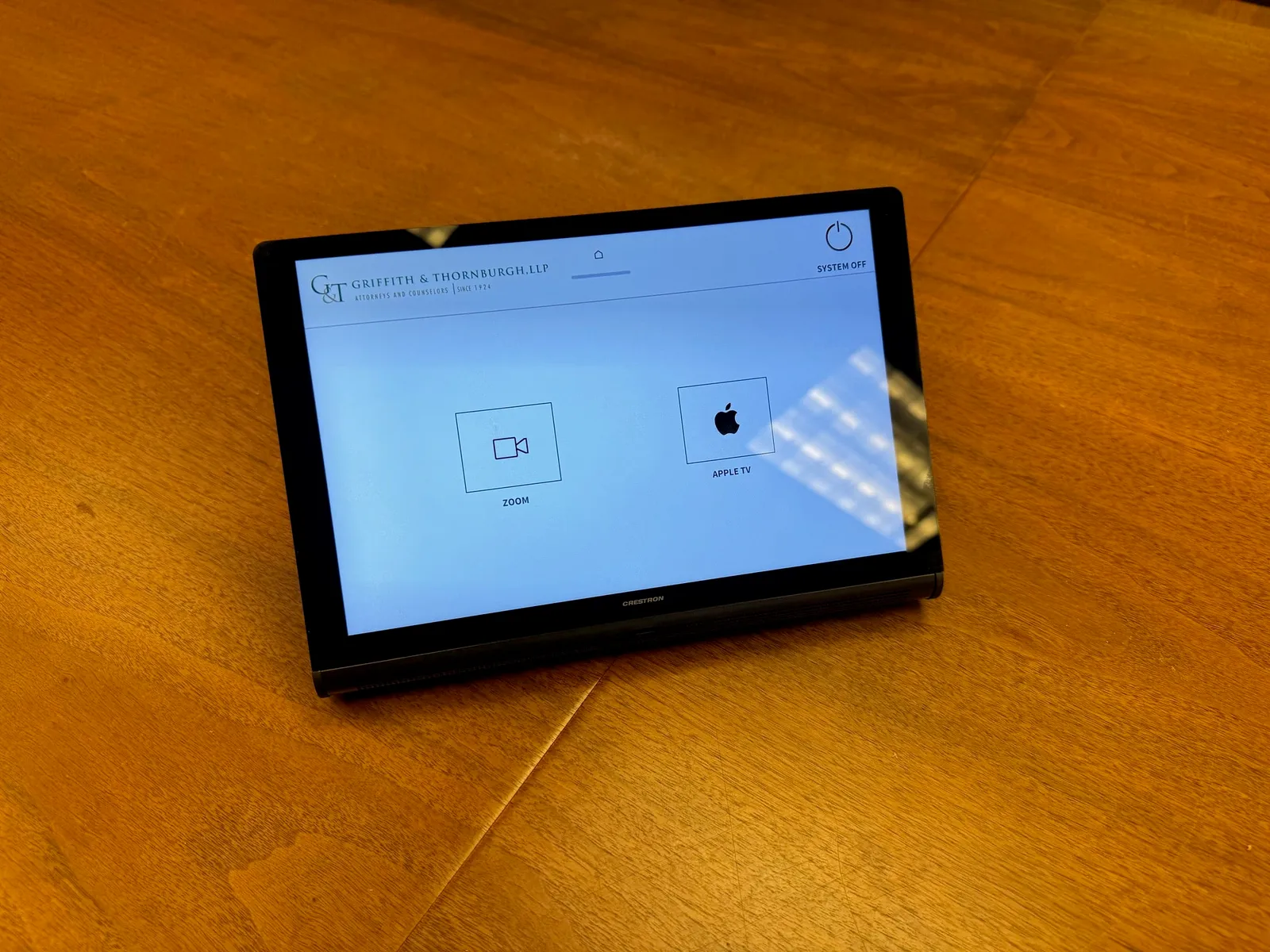
- One remote, one app: a single, obvious way to watch TV or play music — not an input-switching ritual involving three remotes and tribal knowledge.
Where the horror stories come from
Every 'my friend's smart house drove them crazy' story we've investigated traces to the same sources: DIY gadget stacks with an app per device, systems programmed once and never maintained, weak networks making everything intermittent, or an integrator who disappeared after the check cleared. Note that none of those are the homeowner's fault — and none are inherent to the technology. They're design and stewardship failures, which is why our fixes so often involve simplifying: fewer apps, clearer scenes, and a system tuned to how the family actually lives.
How we guarantee the easy version
We design the interface around the household — including the least technical person in it, the housekeeper, and the weekend guest. We walk every client through the system at handoff, then adjust it after a few weeks of real living, because the second pass is where 'fine' becomes 'invisible.' And because the system is documented and serviceable, it stays easy — a smart home is a relationship with a system, and ease of use is something good stewardship maintains, not something a brochure promises.
Frequently asked
Will my guests and family be able to use a smart home?+
In a well-designed system, yes — instantly. Wall keypads still work like switches, scenes have plain-English names, and watching TV takes one remote and one press. If a system requires explanation for basic living, that's a design failure, not a smart-home characteristic.
What happens if the internet goes down — does the house stop working?+
No. Professionally installed systems run locally: lights, shades, audio, and control work on the home's own network without the internet. You'd lose remote access and streaming until service returns — the light switches couldn't care less.
I'm not technical at all. Is a smart home a bad idea for me?+
The opposite, honestly — non-technical households benefit most, because good automation removes technology decisions rather than adding them. The key is a professional design built around simplicity, real training at handoff, and a service relationship so you never troubleshoot anything yourself.
Can an overly complicated existing system be simplified?+
Yes, and it's some of our most satisfying work. Reprogramming around clear scenes, consolidating apps and remotes, and stabilizing the network usually transforms a frustrating system without replacing the hardware in the walls.