Design · 8 min read
Invisible Technology: How Quiet Luxury Homes Hide Everything and Do More
The finest homes don't display their technology — they conceal it. How invisible speakers, flush keypads, hidden displays, and disappearing infrastructure actually work.
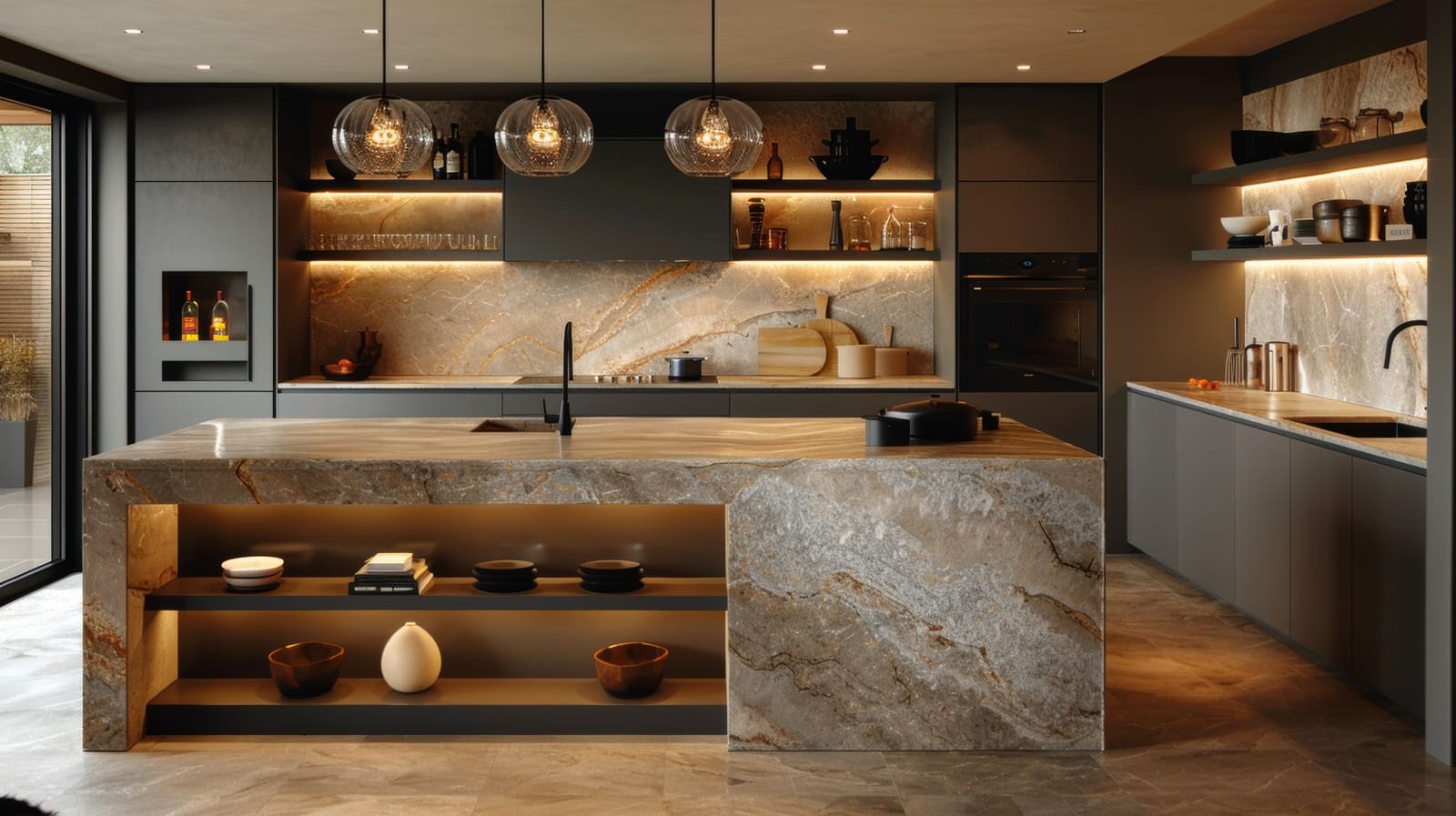
There's a version of the 'smart home' that announces itself — black boxes under the TV, a remote for everything, speakers hanging in corners, a wall acne of mismatched keypads. And there's the version you feel but never see: music that seems to come from the room itself, light that follows the day, a film night that assembles at a touch — with nothing visible except architecture. The second version is our entire philosophy, and it's what the phrase quiet luxury actually means applied to technology.
This isn't a style preference bolted on at the end. Invisible technology is an engineering discipline that starts on the drawings — and it's what separates homes that feel magical from homes that feel gadget-filled.
The invisible toolkit
- Plaster-in invisible speakers: installed in the wall, skimmed over, and painted — literally zero visible trace. The wall itself becomes the speaker. Ideal for living spaces, primary suites, and any room where design rules.
- Flush, minimal architectural speakers: where invisible isn't warranted, small-aperture in-ceiling speakers finished to match — trim-less, paint-matched, deliberately placed against the lighting plan so ceilings stay calm.
- One keypad instead of six switches: a bank of plastic toggles becomes a single engraved keypad — 'Entertain,' 'Dinner,' 'Goodnight.' Walls decluttered, decisions removed.
- Displays that disappear: art-finish TVs, mirror TVs, motorized lifts and panels — or a projection screen that descends from a hairline ceiling slot only when the room becomes a cinema.
- Shades in hidden pockets: motorized shading recessed into the architecture so windows show glass and view, not hardware. Silent motors, fabric chosen with the designer.
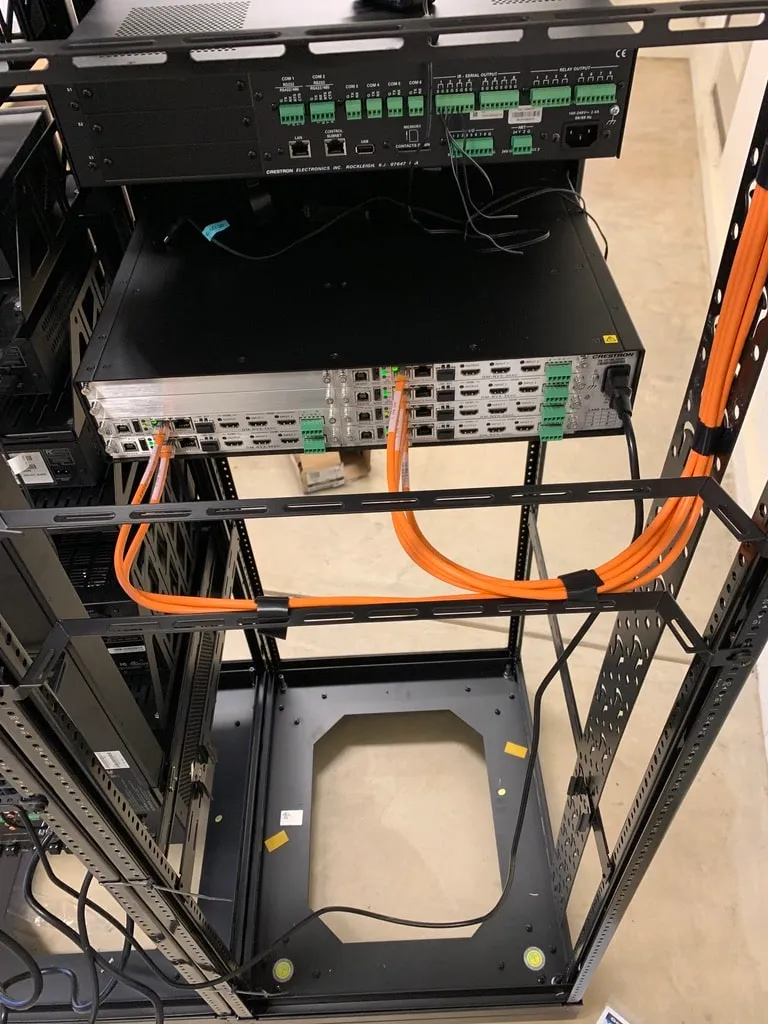
- Equipment that lives elsewhere: no cabinet clutter. Sources, amplifiers, and processors live in a ventilated rack room, invisibly serving every room over the network.
- Landscape audio beneath the garden: satellites tucked into planting beds and subwoofers buried below grade — an even blanket of sound across the property with nothing to see and nothing to trip over.
Why this has to start early
Everything above depends on decisions made while walls are open: back-boxes and enclosures for invisible speakers, ceiling depth for screen slots, shade pockets coordinated with window details, conduit to the places hardware would otherwise sit. This is why we join projects at design development and produce drawings the architect and builder can coordinate against. Invisible is easy to draw and nearly impossible to retrofit — the craft is in the planning, not the plastering.
Does hiding it compromise it?
Less than you'd think, and less every year. A properly enclosed and calibrated invisible speaker genuinely surprises people; for background and mid-level listening it's indistinguishable from visible speakers, and for critical-listening rooms we blend approaches — invisible where design demands, high-output architectural where performance leads. The point is choice: the technology serves the room, never the reverse. That's also why we calibrate everything in place — concealment done right includes tuning for the materials that now surround the equipment.
Frequently asked
What are invisible speakers and do they really work?+
They're speakers installed inside the wall or ceiling and plastered over completely — the finished surface itself radiates the sound, so there is nothing visible at all. Modern invisible speakers from serious manufacturers sound genuinely good, especially for whole-home and background music; for reference-level front stages we typically blend them with high-output architectural speakers.
Can a TV be completely hidden?+
Yes — several ways: art- and mirror-finish displays that read as décor, motorized lifts that raise a TV from cabinetry, concealment panels, and projection systems that descend from a ceiling slot only when in use. The right approach depends on the room's architecture and how often the display is used.
Does hidden technology cost more?+
Concealment adds carpentry, coordination, and calibration work, so there's real craft involved — but the biggest driver is timing. Designed in during construction or remodel, invisible integration is far more efficient than retrofitting it into finished rooms. It's a planning question before it's a budget question.
How do you control a home with no visible technology?+
Engraved scene keypads where they're wanted, your phone or a discreet touch panel where they're not, and automation that removes the need for control at all — lights that follow the day, shades that respond to sun, music that starts with a single touch. Invisible hardware works best with nearly-invisible control.