Commercial
What a 54-Zone Tennis Campus and a Certified Teams Bundle Have in Common: Fewer Surprises
Two stories from this week, one huge and one small, make the same case for commercial audio and conferencing: design it as a system, put it on the network, and monitor it so problems get fixed before anyone notices.
Two pieces of commercial AV news crossed our desk this week. One was a $250 million tennis campus. The other was a conferencing kit for small meeting rooms. They have nothing in common on the surface, and everything in common underneath.
The big one: 54 zones, 31 courts, five buildings
The Cincinnati Open just finished a massive expansion, and the audio system that went in covers 10 match courts, 21 practice courts, five new buildings, and the renovated facilities around them. Fifty-four zones of audio, driven by LEA Professional Connect Series amplifiers ranging from 80 watts to 1,500 watts per channel. The integrator had about 60 days to design it and roughly five months to install and test it.
Three things stand out from how that system was built.
It's all on the network. Every amplifier is Dante-enabled, which means the audio travels over standard network cable instead of a thick bundle of speaker and line-level runs back to one central rack. Add a zone, move a zone, reroute a source: it's a software change, not a cabling project.
Someone can see it from anywhere. The LEA amps report to LEA Cloud, which lets the integrator check every channel, every amp, every zone from a laptop or phone. No subscription fee. If an amplifier faults on practice court 14, the integrator knows before the groundskeeper does.
It was designed as one system. Not a pile of gear from a catalog, but a plan with the right amplifier in each zone, enough headroom, and a clear path from source to speaker.
We run LEA amplifiers in our own residential and commercial work for exactly those reasons. The Cincinnati Open is a bigger version of what we build, not a different thing.
The small one: a Teams room in a box
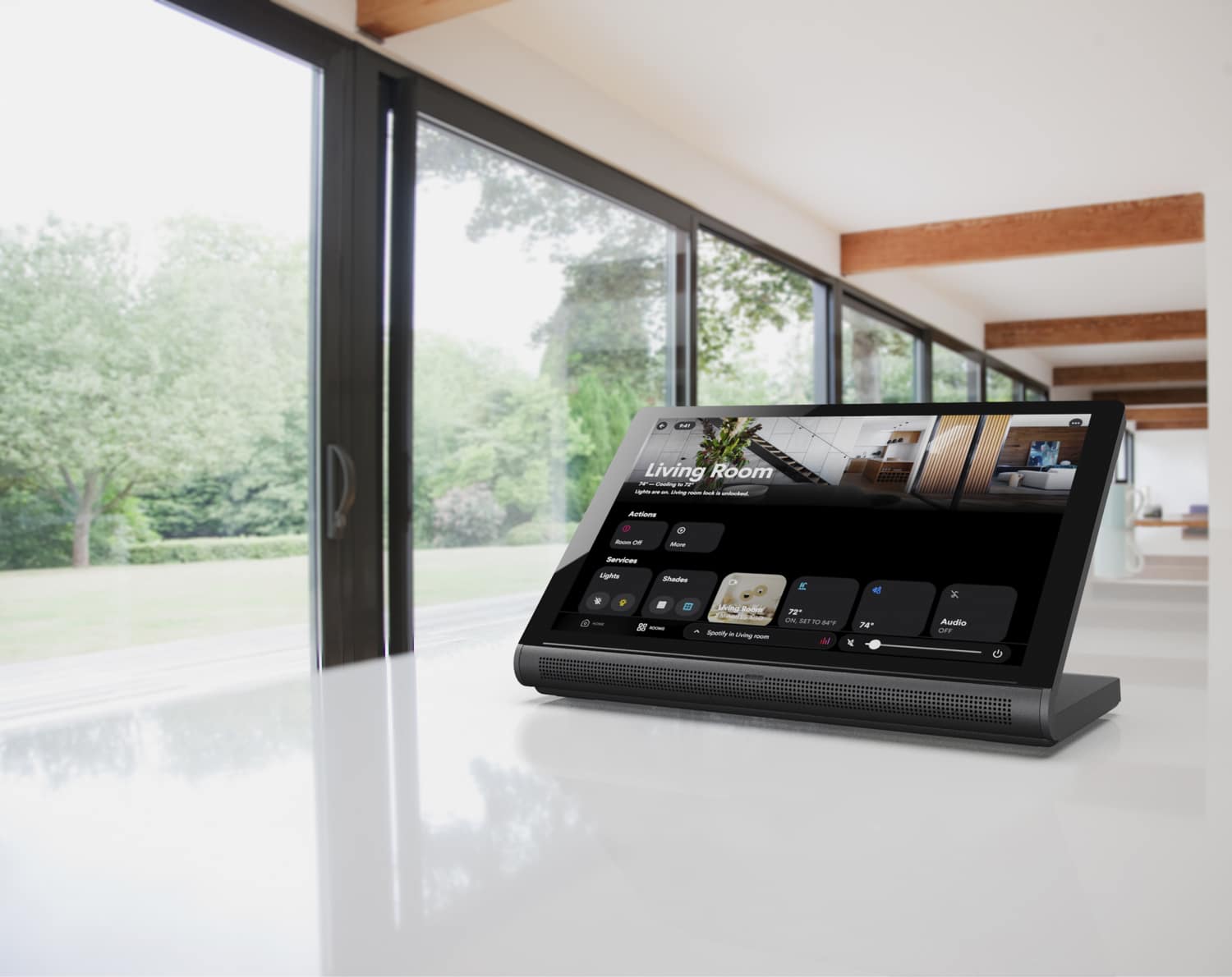
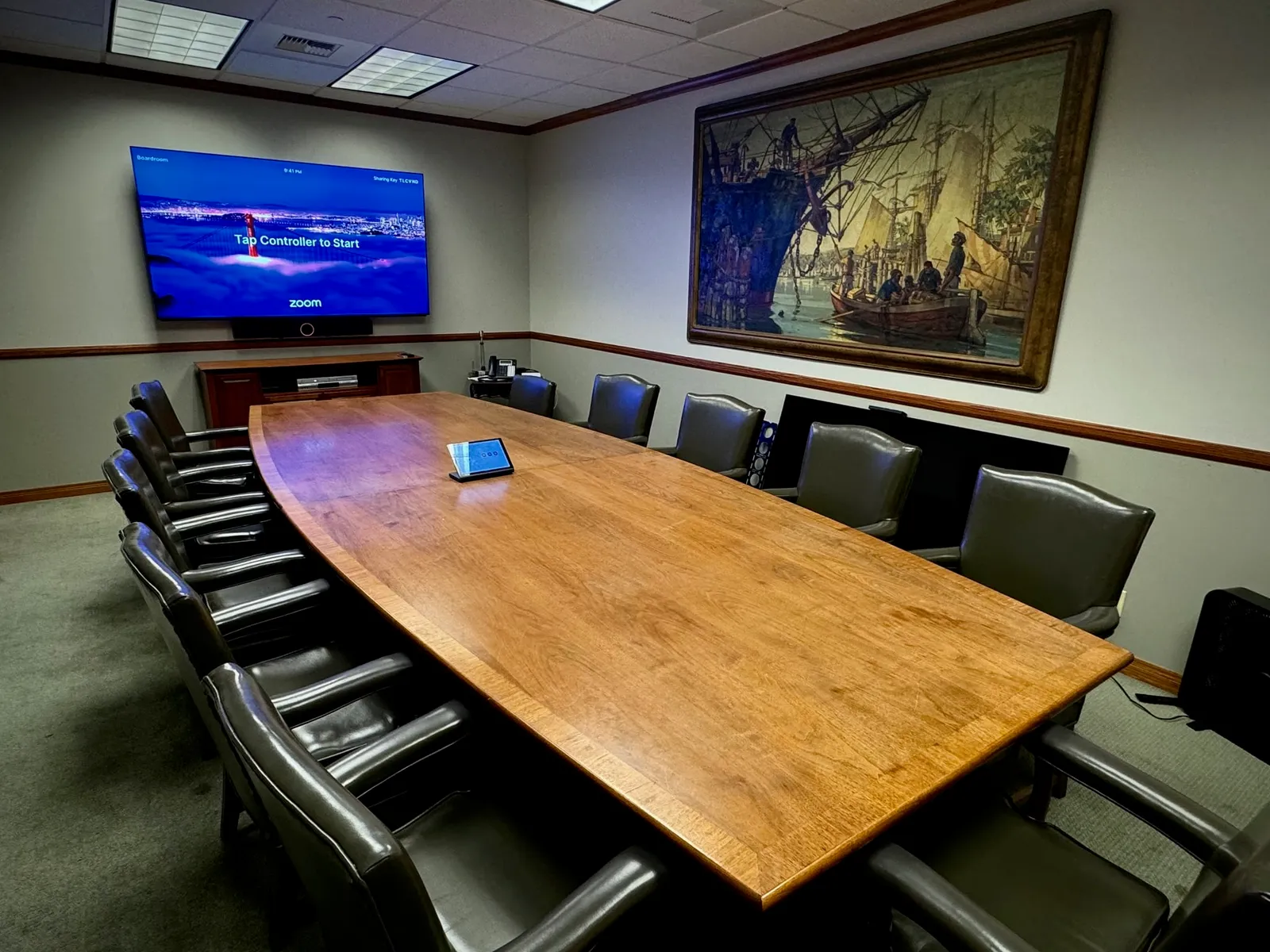
On the same week, Biamp released a Devio UCX 1000 bundle that is Certified for Microsoft Teams. It's a compute unit, a video bar, and a touch panel sold as one package for huddle rooms and small to medium conference rooms.
Why does a product bundle deserve a mention? Because of the word "certified."
Microsoft Teams Rooms certification means Microsoft has tested that exact combination of hardware and confirmed it works with Teams, gets its updates, and is manageable from the Teams admin center. The alternative, which we see all the time, is a conference room assembled from a webcam somebody liked, a USB speakerphone from Amazon, and a laptop that one person knows how to connect. It works until it doesn't, and it doesn't on the morning of the board meeting.
A certified bundle isn't glamorous. It's the conference room version of what Cincinnati did at scale: pick components that are proven to work together, and stop improvising.
The principle underneath both
Here's what the tennis campus and the small conference room share.
Networked audio and video reduces the number of things that can go wrong. Fewer cable types, fewer analog connections, fewer boxes with their own little problems. When something does go wrong, it's visible in software instead of behind a wall.
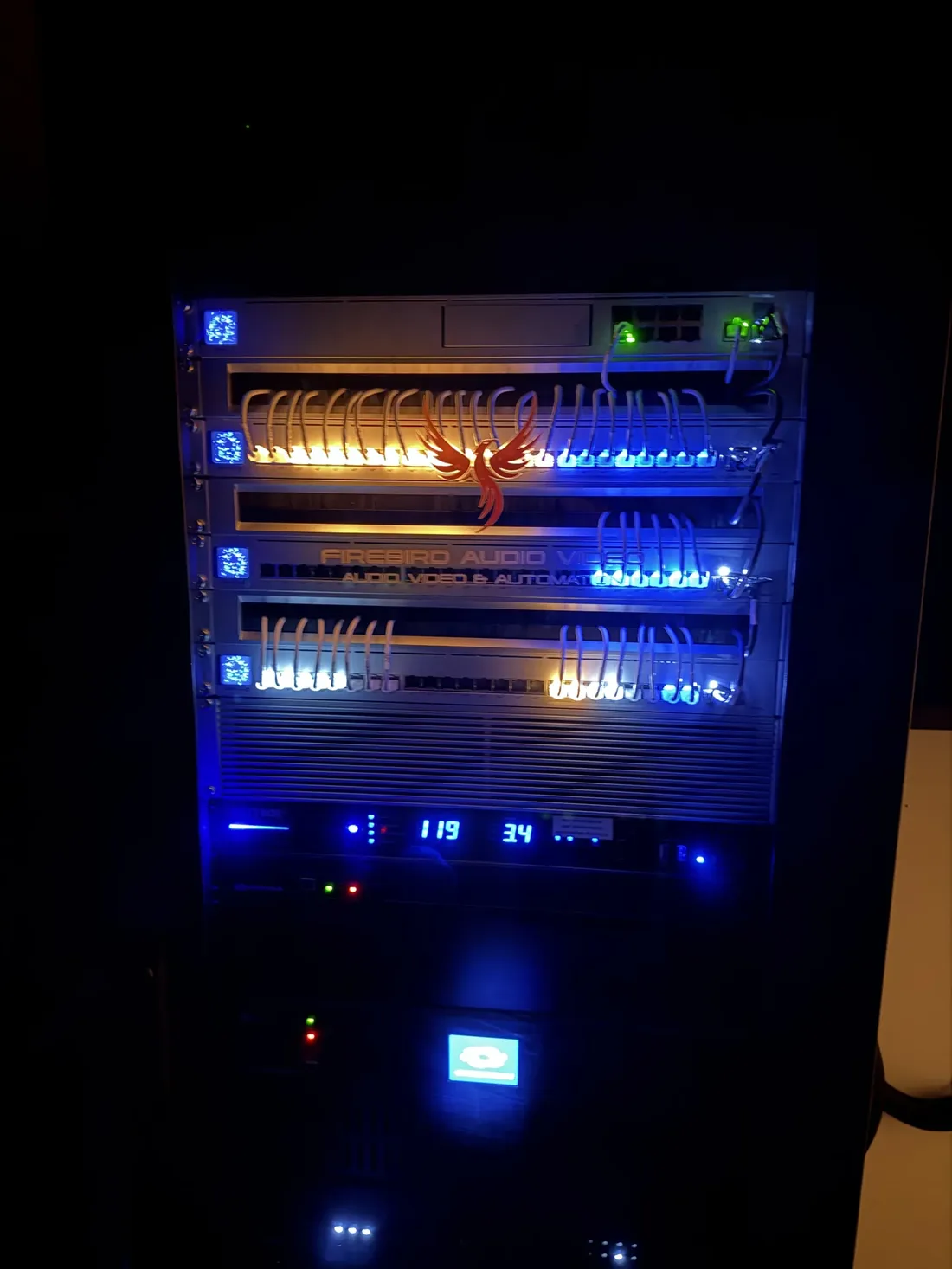
Remote monitoring turns a truck roll into a phone call. If we can see your amplifiers, your DSP, your displays, and your room systems from our office, most problems get fixed before you know they exist. The ones that need hands on site get diagnosed before we leave the shop, so the tech arrives with the right part.
Design beats assembly. Every system in both stories started with a plan. The gear list came second. In our experience the systems that generate service calls are the ones where the gear list came first.
What this means in Santa Barbara
Most commercial clients we work with here aren't stadiums. They're wineries with tasting rooms and event lawns, restaurants with patios, churches, nonprofits, medical offices, and small companies running hybrid meetings every day. They have thin staff and no IT department, or an IT person who already has a full day.
They don't need a bigger system. They need one that was designed as a system, sits on a proper network, and is monitored by someone who answers the phone.
A tasting room with eight zones of audio on Dante-enabled amplifiers, monitored from our office, is a quieter life than a tasting room with four consumer amps in a closet and a manager who knows which one to power cycle. A Teams room built from a certified bundle on a managed network is a quieter life than the webcam-and-laptop setup it replaces. The cost difference is smaller than most people expect, and the difference in headaches is large.
If you're not sure what you have
A lot of businesses inherited their AV. Somebody installed it years ago, nobody has the drawings, and the system is held together by habit. If that's you, the first step isn't buying anything. It's a scope: what's there, what's failing, what the room actually needs to do, and what the options are across brands.
That's what we do through AVX Designs, our manufacturer-agnostic consulting side. We'll scope the system before anyone buys gear, and we'll tell you if the fix is a small certified bundle or a redesign.
Planning a project?
If your conference room or venue audio is a "hope it works" situation, let's fix that before the next board meeting or harvest party. Request a consultation and we'll respond within one business day.
Sources: AVNation on the LEA Professional install at the Cincinnati Open, AVNetwork on the Biamp Devio UCX 1000 Teams-certified bundle.